

How Easy Is It to Rent Out Your House in London? (Reality Check)
Thinking about a rent out house in London? The short answer: it’s not as easy as social media makes it look. This article gives you a realistic breakdown of legal rules, hidden costs, and tenant expectations. Whether you’re renting out a house for the first time or considering purchasing a second home to rent, you’ll learn the real steps to renting out my house, without making it complex.
The Dream vs The Reality
London’s rental market is one of the busiest in the world. Demand is high, and rents keep climbing. So naturally, you might think: I’ll just rent out house in London and watch the money roll in.
But here’s the reality check: being a landlord in London comes with serious responsibilities. You can’t just hand over the keys and forget about it. Laws protect tenants strongly here, and one mistake can cost you thousands.
First Time Landlord? Start here.
If you’re renting out a house for the first time, the process feels overwhelming. You’ll need:
- An Energy Performance Certificate (EPC) – at least rating E
- Gas safety certificate (updated every year)
- Electrical installation condition report (EICR)
- Deposit protection in a government scheme like TDS or DPS
- A written tenancy agreement
- “Right to Rent” checks on every tenant
Missing any of these means fines or even criminal charges. That’s why many first-timers look for help renting out my house from a letting agent.
Buying a House to Rent Out – What Changes?
Many people ask about buying a house to rent out. That’s different from renting out a home you already live in. If you’re buying a house and renting it out, you’ll need a buy-to-let mortgage, not a standard residential one.
Lenders typically want:
- A 25% deposit (minimum)
- Projected rent covering 125–145% of your mortgage interest
Also, if you’re purchasing a second home to rent, you’ll pay an extra 3% Stamp Duty. On a £450,000 flat, that’s £13,500 extra upfront. So buying a house to let out is a serious financial decision, not a quick side hustle.
The Best Way to Rent My House – DIY or Agent?
What’s the best way to rent my house? You have two options:
DIY (Do It Yourself)
- You save on agent fees (typically 10–15% of monthly rent)
- You handle viewings, contracts, repairs, and late-night calls
- Higher risk of legal mistakes
Using a Letting Agent
- They do everything: marketing, checks, paperwork, maintenance
- They know the steps to renting out my house inside out
- Costs money, but it saves stress
- For most London landlords, especially first-timers, an agent is worth the fee.
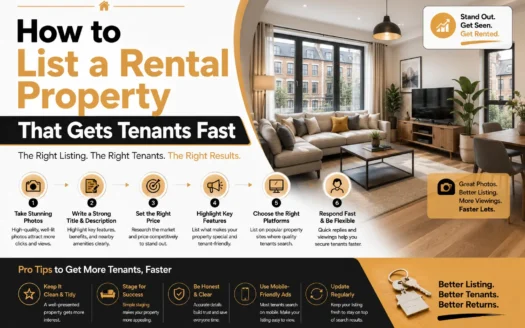
Steps to Renting Out My House (Clear Checklist)
Here are the actual steps to renting out my house in London:
- Check your mortgage: Do you have permission to let?
- Get an EPC (Energy Performance Certificate).
- Complete gas and electrical safety checks.
- Prepare the property – clean, repair, redecorate if needed.
- Set a realistic rent (check Zoopla or Rightmove for local prices).
- Find a tenant via an agent or the open market.
- Run Right to Rent and credit checks.
- Sign a tenancy agreement.
- Protect the deposit within 30 days.
- Give the tenant a copy of all safety certificates.
Leasing Out Your House – Hidden Costs to Expect
Leasing out your house isn’t free money. Budget for:
- Void periods (no rent for 2–6 weeks a year on average)
- Repairs and maintenance (boiler breakdowns, leaks, etc.)
- Landlord insurance (different from home insurance)
- Annual gas safety check (£80–£120)
- Potential agency fees
- Many new landlords forget these and end up losing money in year one.
Final Reality Check – Is It Worth It?
Yes, thousands of Londoners successfully rent out house in London every year. But easy? No. Profitable? Yes, if you plan carefully.
The landlords who succeed are the ones who follow the rules, budget for surprises, and treat it like a small business. If you’re renting out a house for the first time, take it slowly. Get help renting out my house from a good agent or experienced landlord friend. Follow the steps to renting out my house properly.
Do that, and London’s rental market can work beautifully for you. Rush in blindly, and you’ll learn expensive lessons.
FAQs
Can I rent out my mortgaged house?
Ask your lender for permission first. You’ll need “consent to let” or a buy-to-let mortgage. To rent out house in London, never skip this legal step.
Can you rent a rented property?
Only if your tenancy agreement says yes in writing. Most landlords strictly forbid leasing out your house to someone else. Break this rule, and you risk immediate eviction.
Can you rent out a house after buying it?
Yes, but get a buy-to-let mortgage from the start. If you’re buying a house and renting it out, a residential loan won’t work. Your lender can demand full repayment if you hide it.
Can I rent out a shared ownership property?
Rarely, so don’t assume you can. Buying a house to let out requires 100% ownership first. Sublet anyway, and the housing association can take your home back.
I’m buying a second home and renting the first. Is that allowed?
Yes, but get permission from your first lender. Purchasing a second home to rent also adds 3% Stamp Duty. Get consent to rent or switch to a buy-to-let mortgage.
What are the rules of renting your house in London?
You need gas, electrical, and EPC safety certificates. Help renting out my house includes deposit protection and Right to Rent checks. Break any rule, and fines can reach thousands.
What should I know before buying a house to let it out?
Save a 25% deposit and budget for extra Stamp Duty. The best way to rent my house is to plan for void periods and repairs. If unsure, get help renting out my house from an agent.
How to avoid paying 40% tax on rental income?
Put your rental property in a limited company structure. You can also deduct mortgage interest, repairs, and letting fees. For renting out a house for the first time, speak to an accountant.
Is it worth buying a property to rent out in the UK?
Yes, but only if you buy in a high-demand area like London. The steps to renting out my house include legal checks, insurance, and tenant finding. Profit is real, but so are the responsibilities.
Will HMRC know if I rent out my house?
Yes, letting agents report your rental income to HMRC directly. Tenants using benefits also trigger automatic government checks. If you rent out house in London and hide it, HMRC will find out.